Ceramics
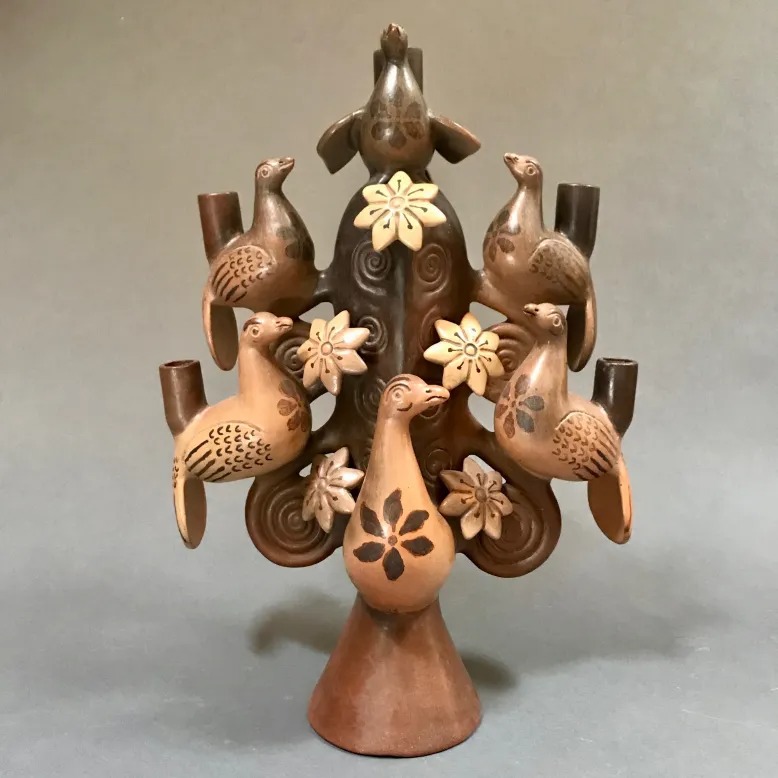
The Pottery of Tonalá, Jalisco
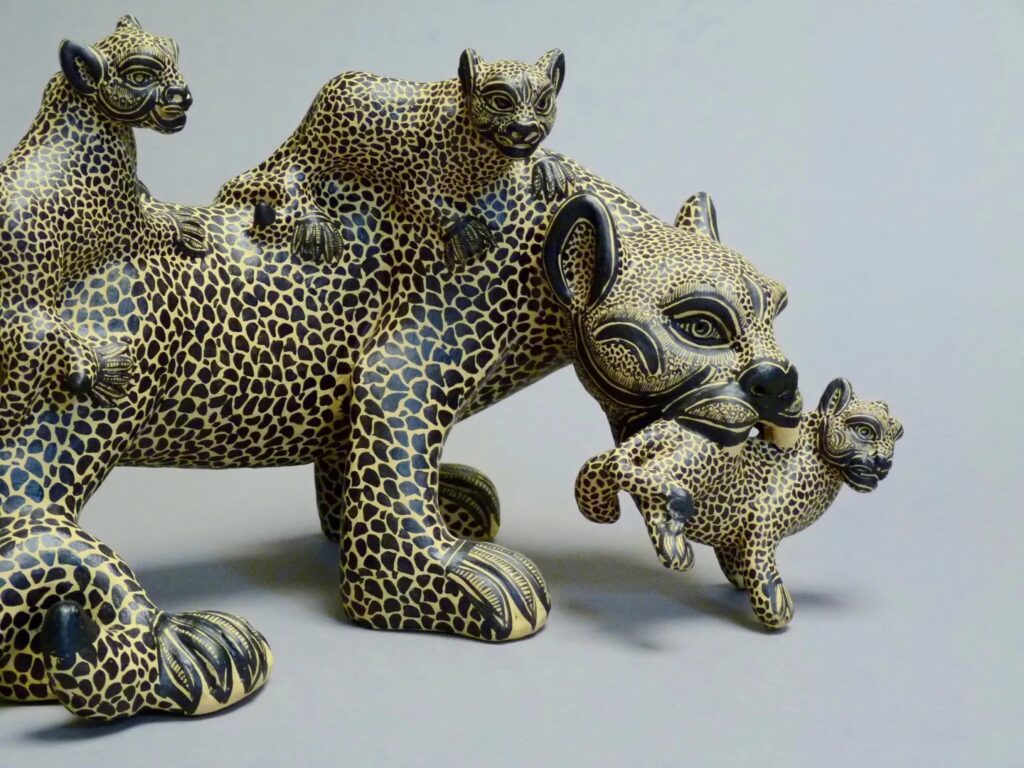
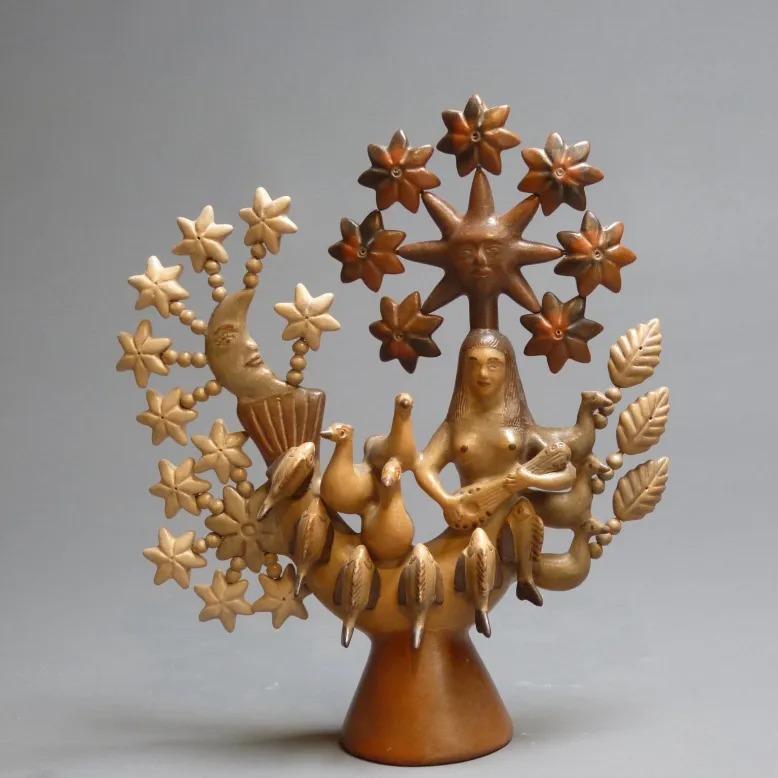
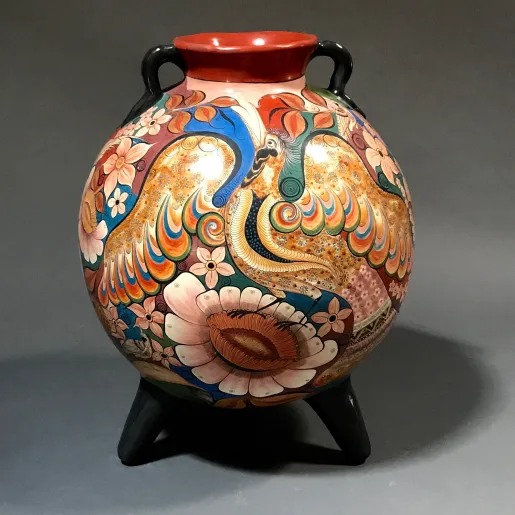
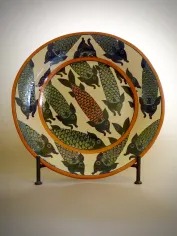
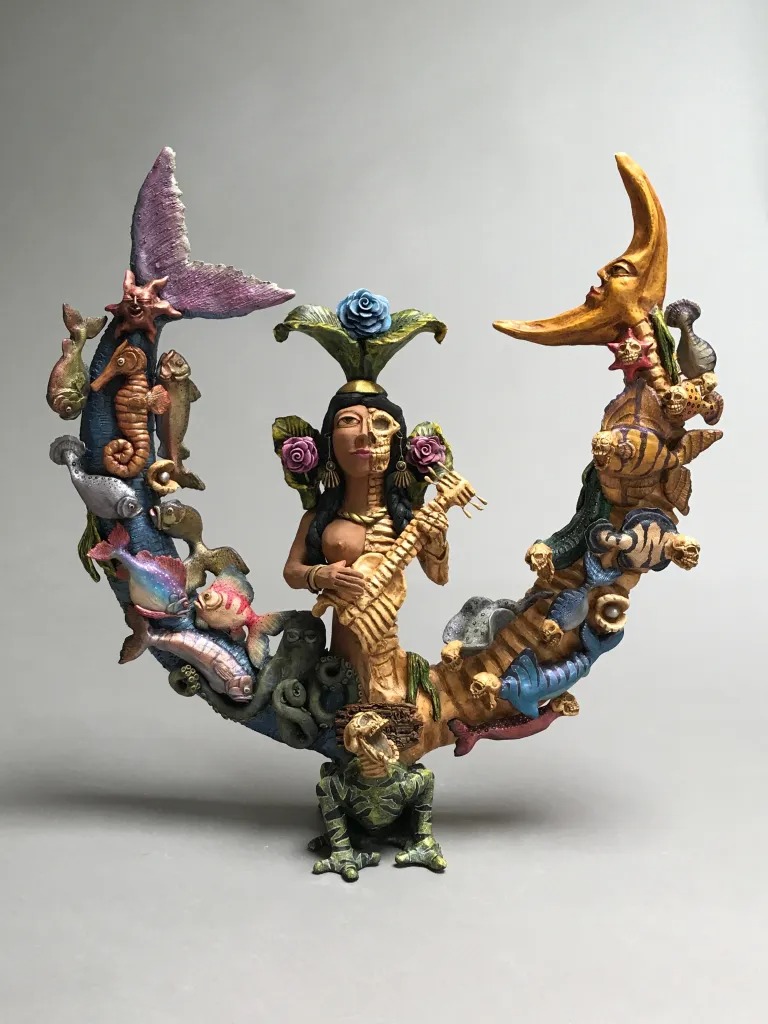
The tradition of burnished ceramics in Tonalá goes back to pre-Hispanic times. Works from Tonalá are in the Victoria and Albert Museum in London! Today, artists there have expanded their designs, their surface decorations, and their range of colors, but carefully preserve distinctive Tonalá traditions. Any one of their pieces is a singular work of art. Several Tonalá artists have been widely rewarded for their innovations, winning competitions, and selling work to major collections. “If these were paintings,” says gallery owner Shacter, “they would be thousands of dollars, but ceramics is still reasonably priced.”

San Agustín Oapan Collection
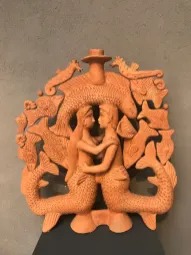
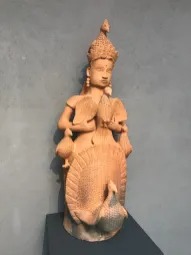
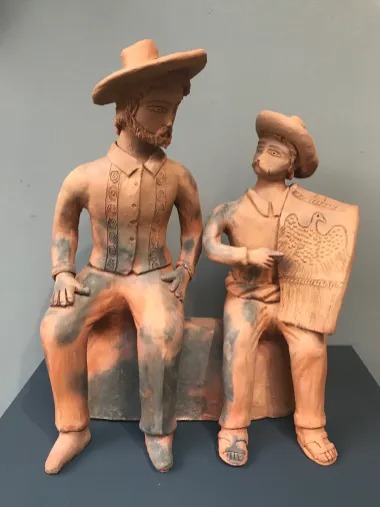
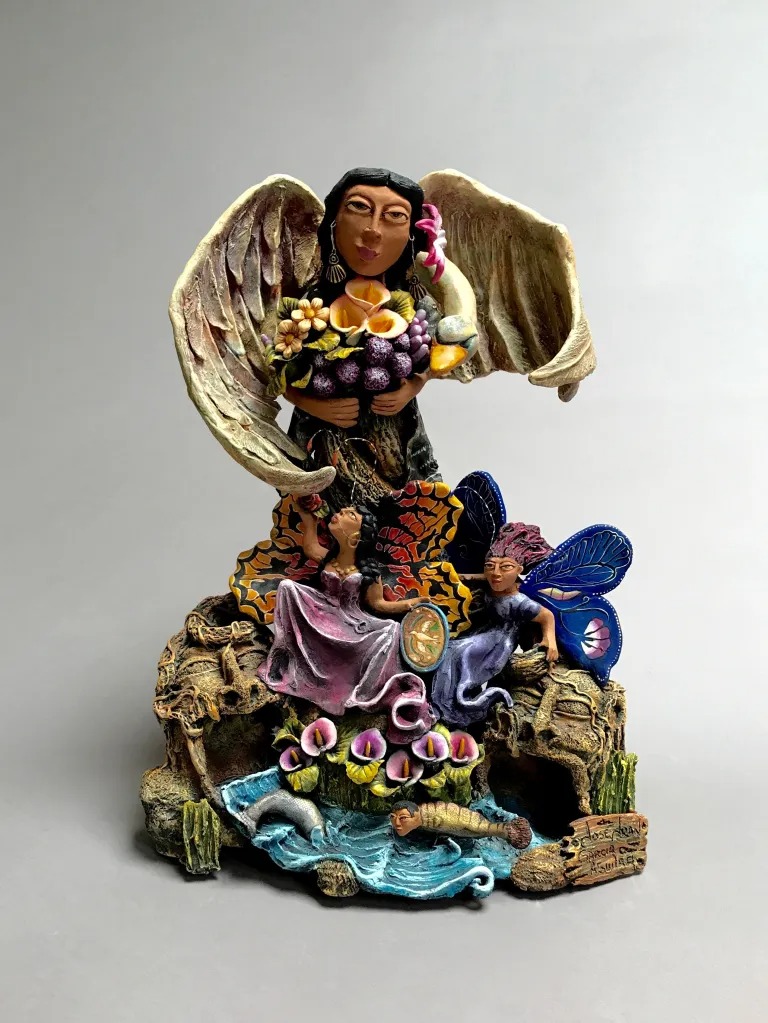
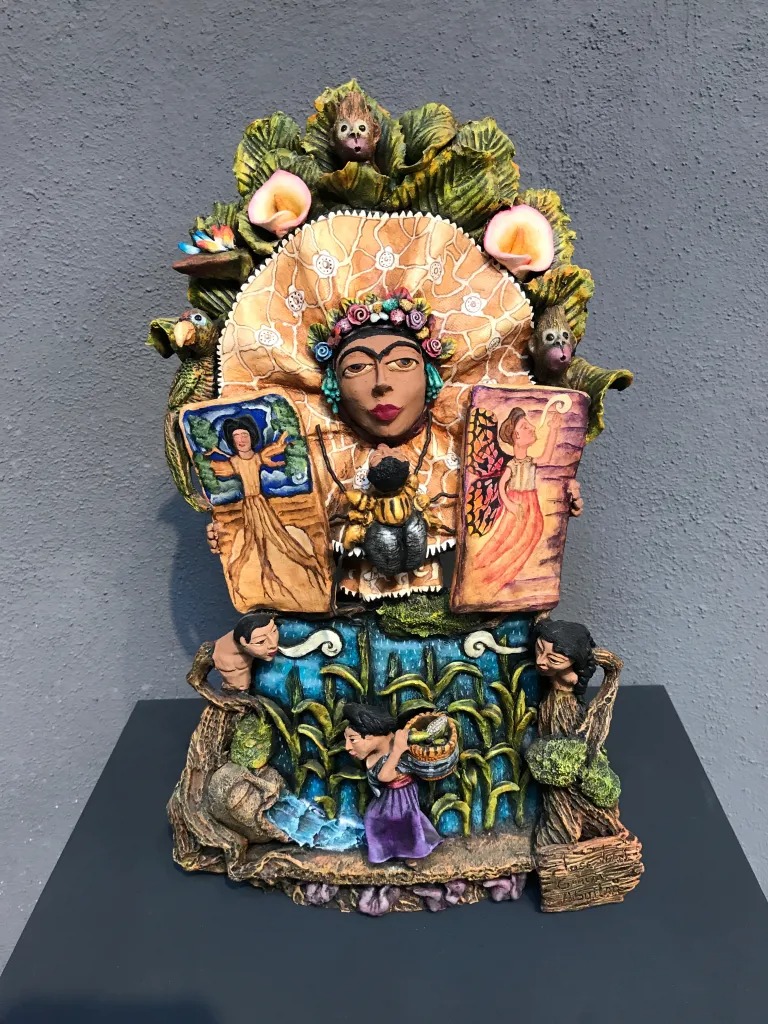
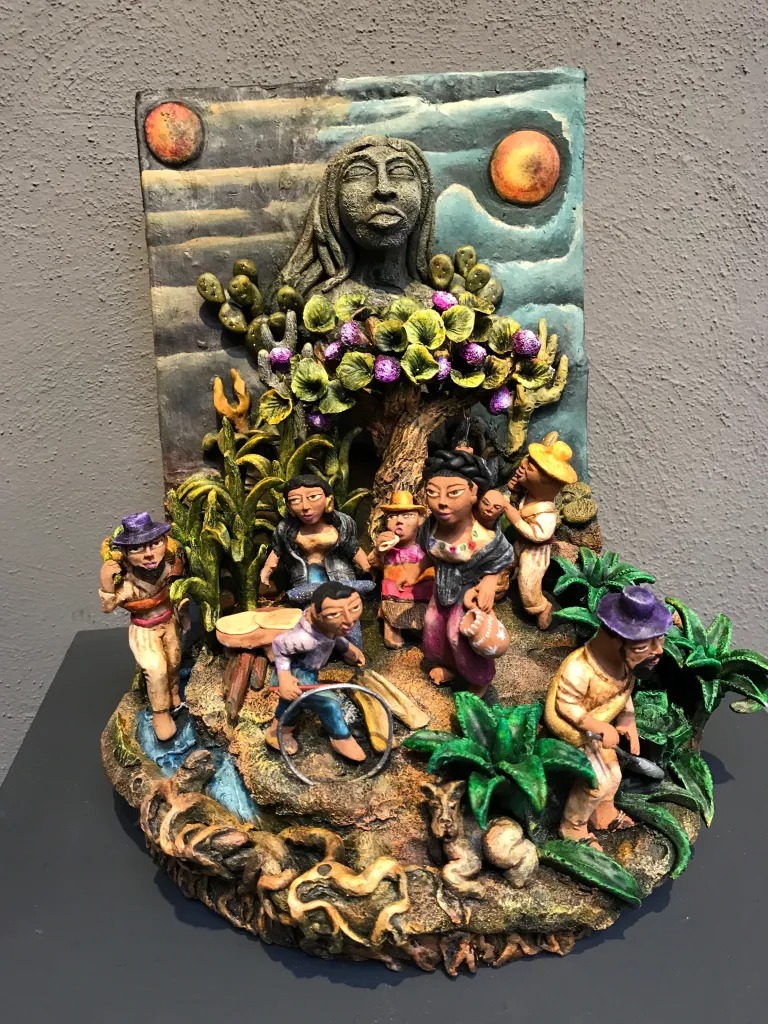
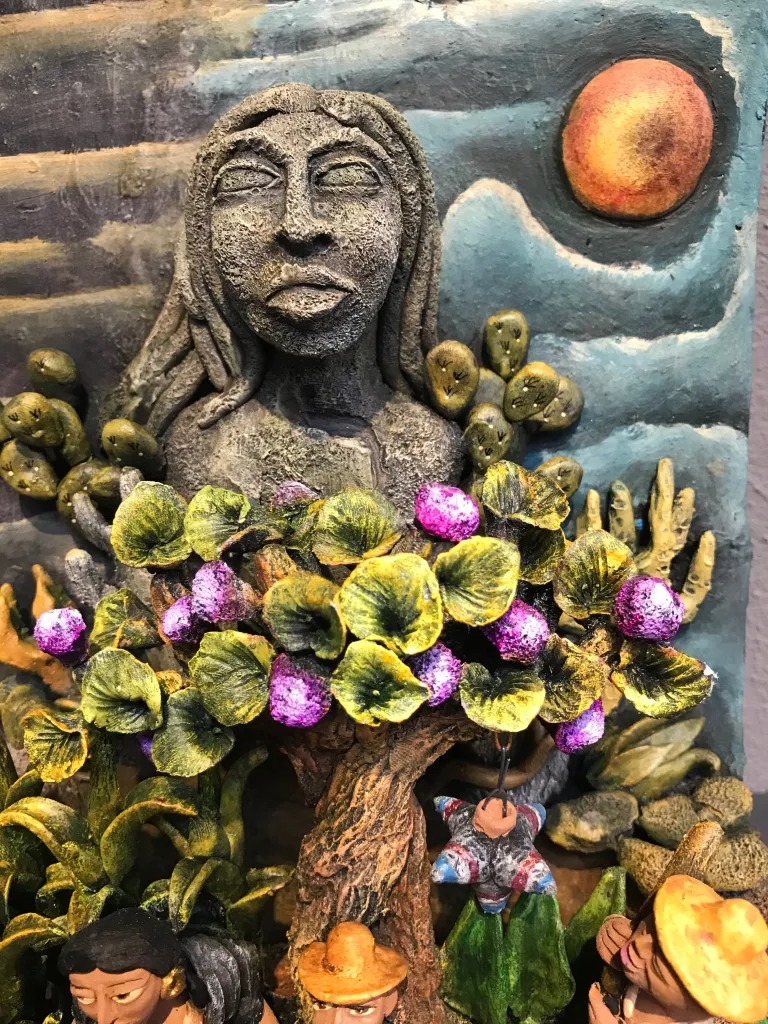
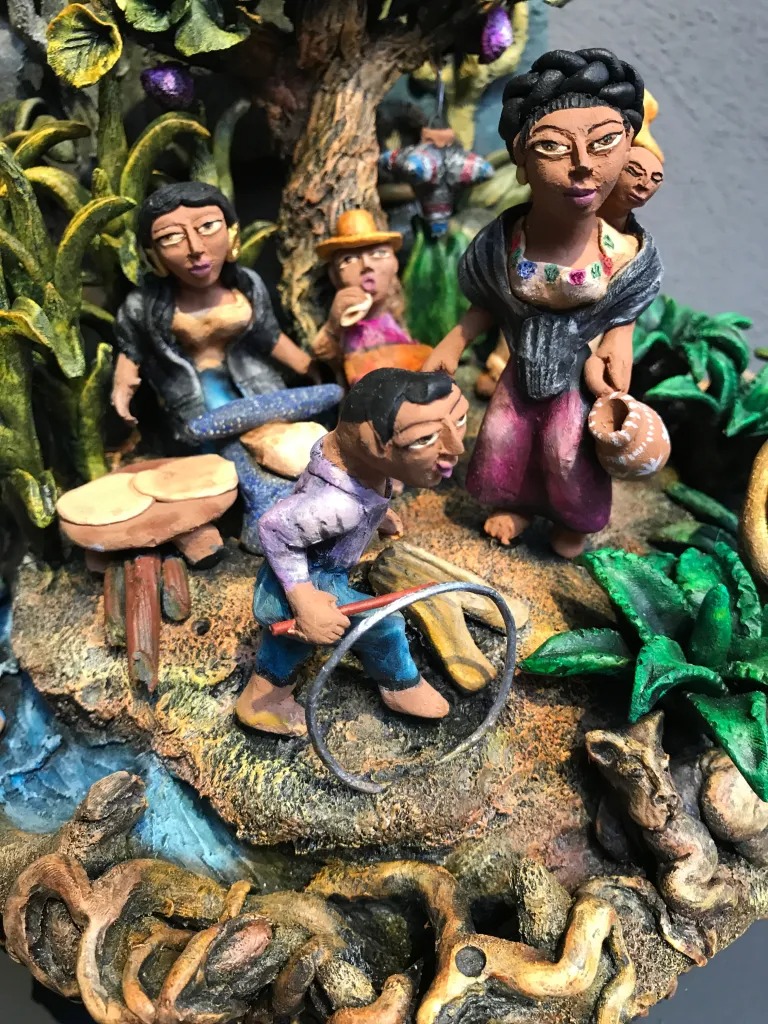
In the mountains of Guerrero, in a small village so remote that it does not appear on maps of Mexico, a group of families carry on a tradition of ceramic art that is hundreds of years old and that has been passed from father to son and mother to daughter for many generations. Nowhere else on the planet are people making work that is anything like the large ollas, animals, tall figures, and village scenes created by the families in San Agustín Oapan, Guererro. To own a piece of this work is to own a piece of the history of indigenous Mexico, and to help support hard-working families and a traditional way of life for this village.
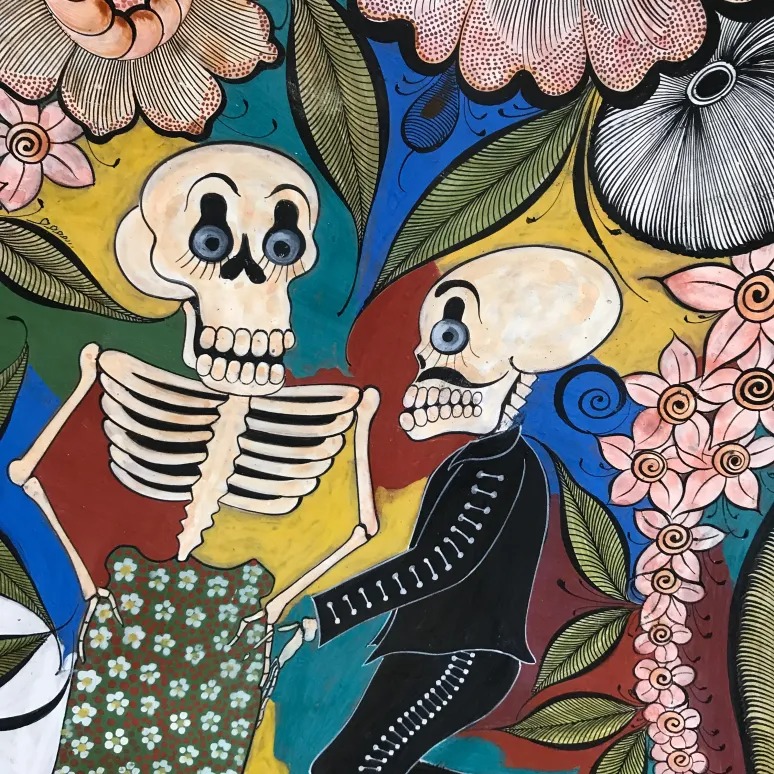
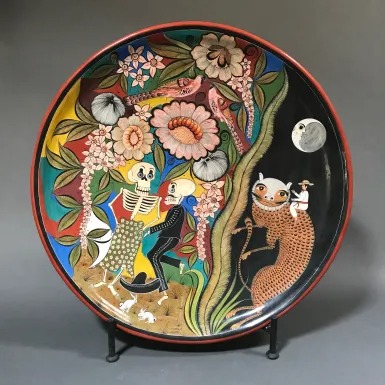
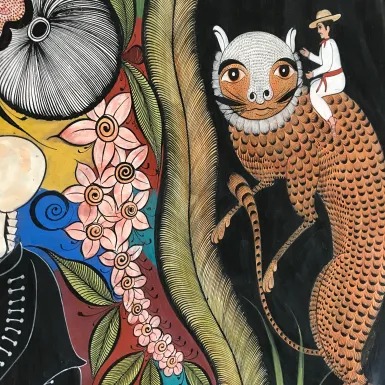
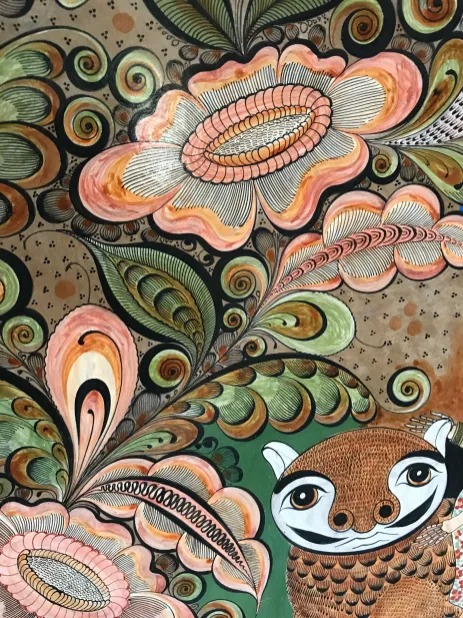
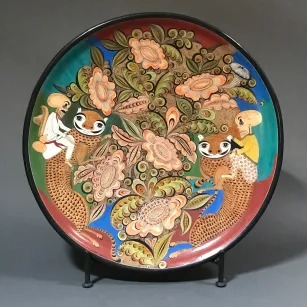

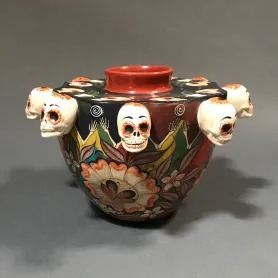
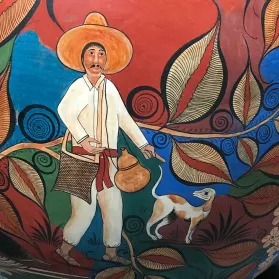
The Pottery of San Agustín, OapÁn Guerrero
In the mountains of Guerrero, in a small village so remote that it does not appear on maps of Mexico or on GPS, a group of families carry on a tradition of ceramic art that is hundreds of years old and that has been passed from father to son and mother to daughter for many generations. The work is completely distinctive and utterly “Mexican!” The figures are burros, pigs, turkeys and other birds, men on horseback carrying water jugs, churches with gatherings of villagers in the plaza, and the village’s trademark tall, thin figures with faces that resemble the villagers themselves.
Jaguars from San Cristóbal Chiapas
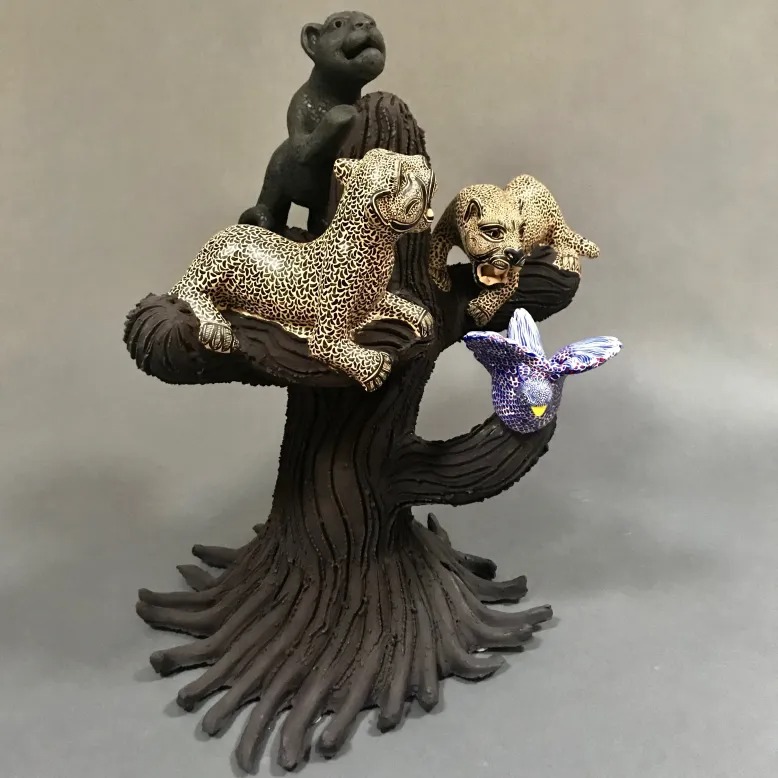
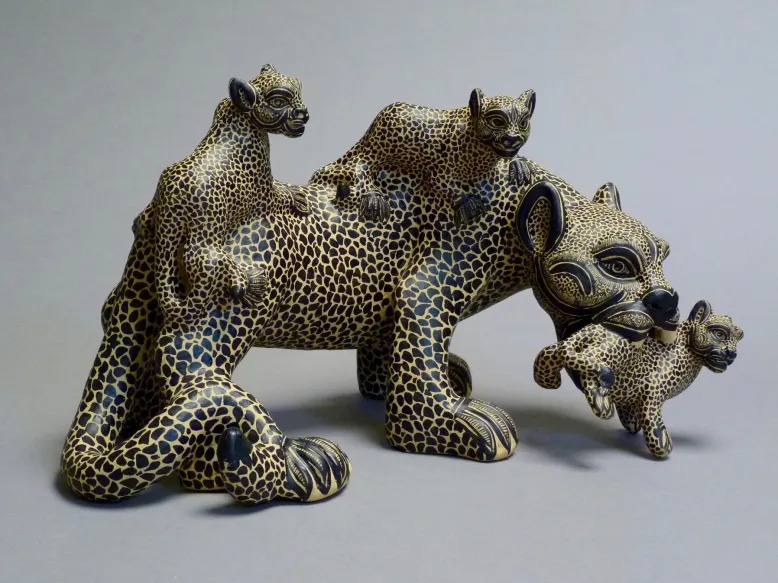
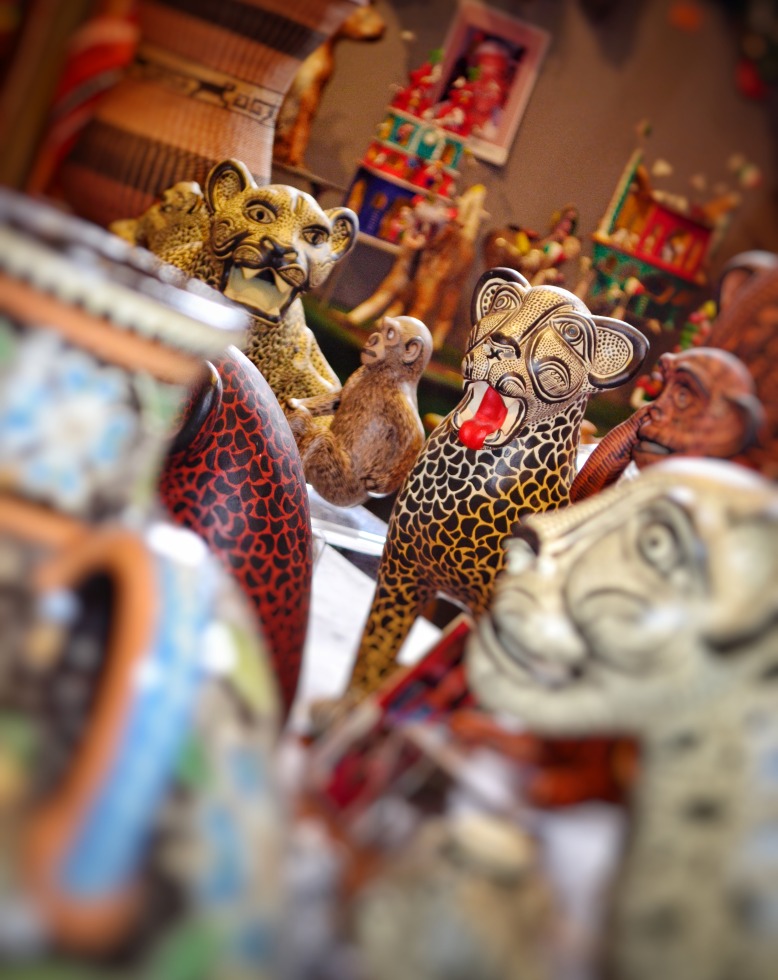
Artists in the village of Amatenango, just outside of San Cristóbal, Chiapas, have long been known for their dramatic jaguar jars, sculpted jaguars, and traditional ceramic roosters. The booths that line the highway near the village are heartbreaking for traditional folk art collectors, because many artists in the town have abandoned the traditional work in favor of garishly painted, molded decorative items. However, there are artists in the village who are still making wonderful traditional jaguars, ollas, and roosters. These are among the best examples of folk art, carrying forward decades old village traditions.