Ceramics
The Art of Mexican Basketry
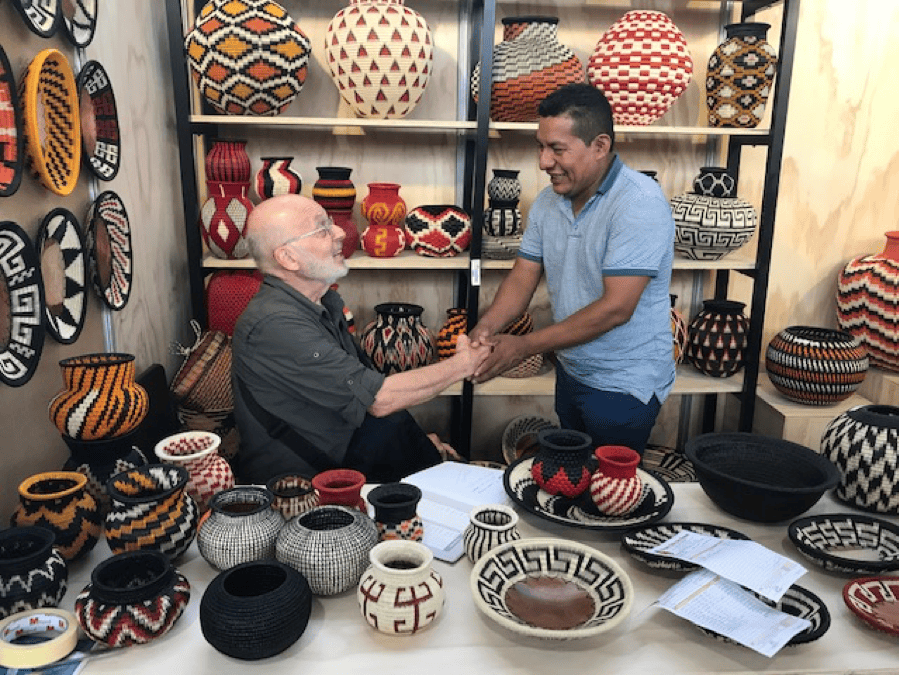
Content to be Added. Content to be Added. Content to be Added. Content to be Added. Content to be Added. Content to be Added. Content to be Added. Content to be Added. Content to be Added. Content to be Added. Content to be Added. Content to be Added. Content to be Added. Content to be Added. Content to be Added. Content to be Added. Content to be Added. Content to be Added. Content to be Added. Content to be Added. Content to be Added. Content to be Added. Content to be Added. Content to be Added. Content to be Added. Content to be Added. Content to be Added. Content to be Added. Content to be Added. Content to be Added. Content to be Added.
Jaguars from San Cristóbal Chiapas
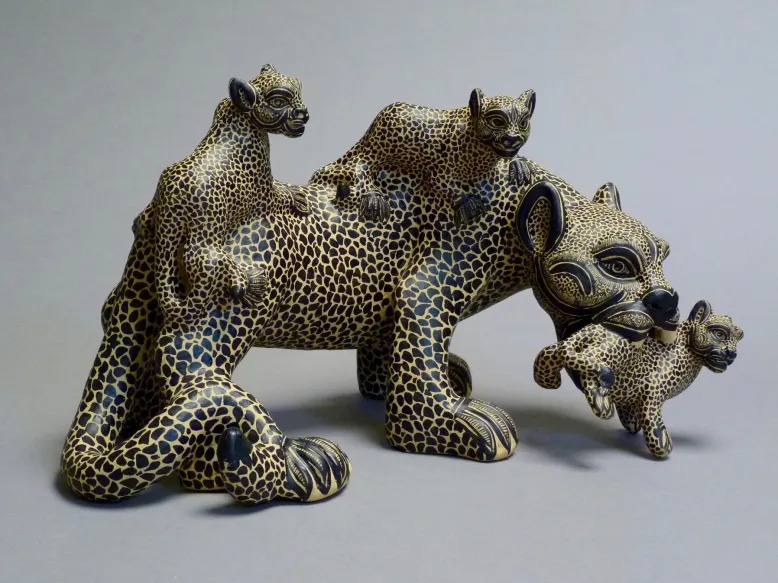
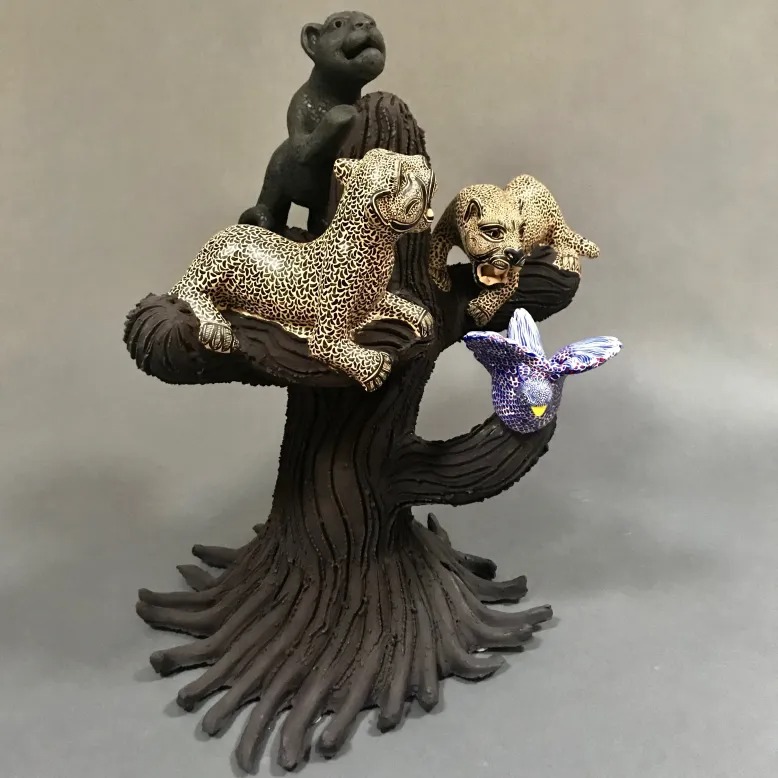
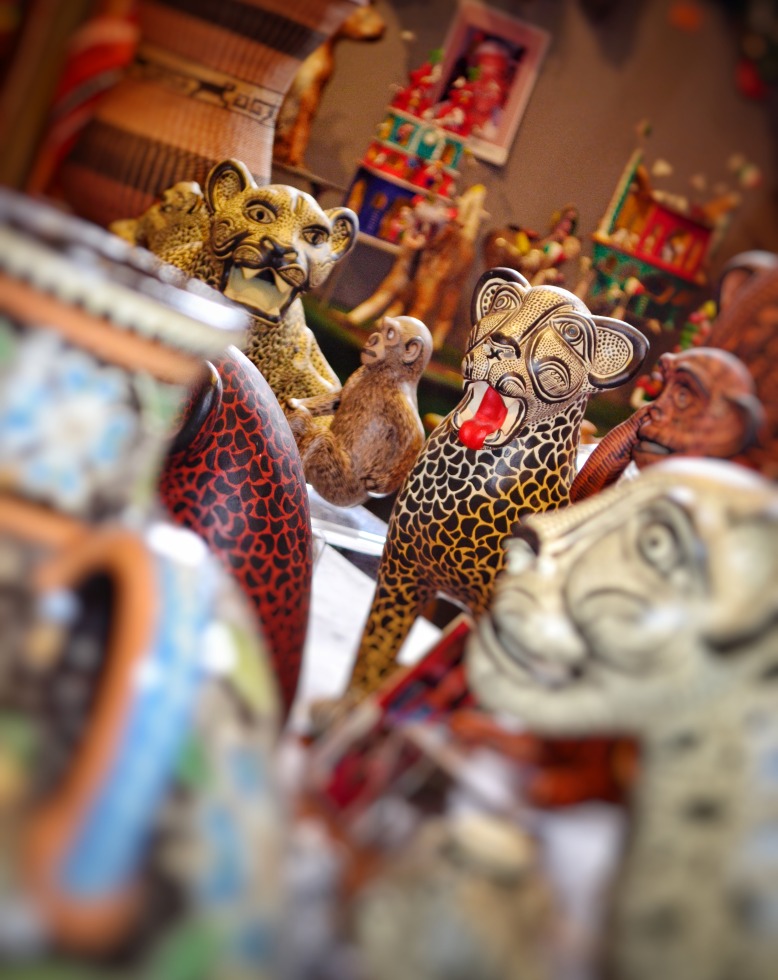
Artists in the village of Amatenango, just outside of San Cristóbal, Chiapas, have long been known for their dramatic jaguar jars, sculpted jaguars, and traditional ceramic roosters. The booths that line the highway near the village are heartbreaking for traditional folk art collectors, because many artists in the town have abandoned the traditional work in favor of garishly painted, molded decorative items. However, there are artists in the village who are still making wonderful traditional jaguars, ollas, and roosters. These are among the best examples of folk art, carrying forward decades old village traditions.
The Pottery of San Agustín, OapÁn Guerrero
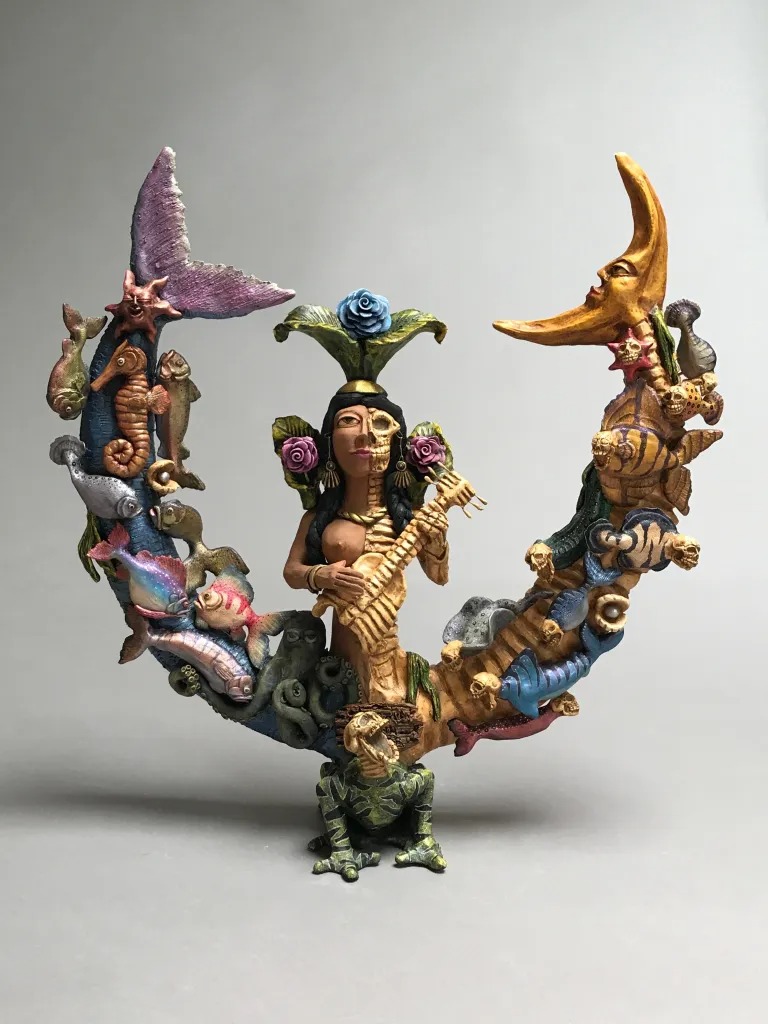
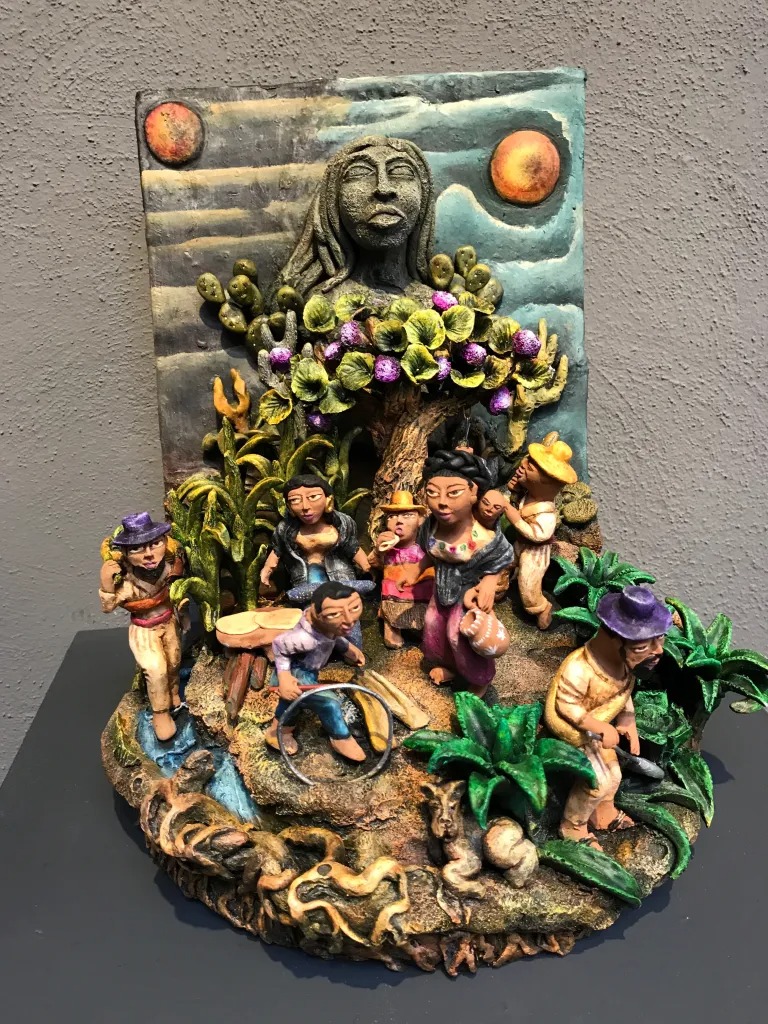
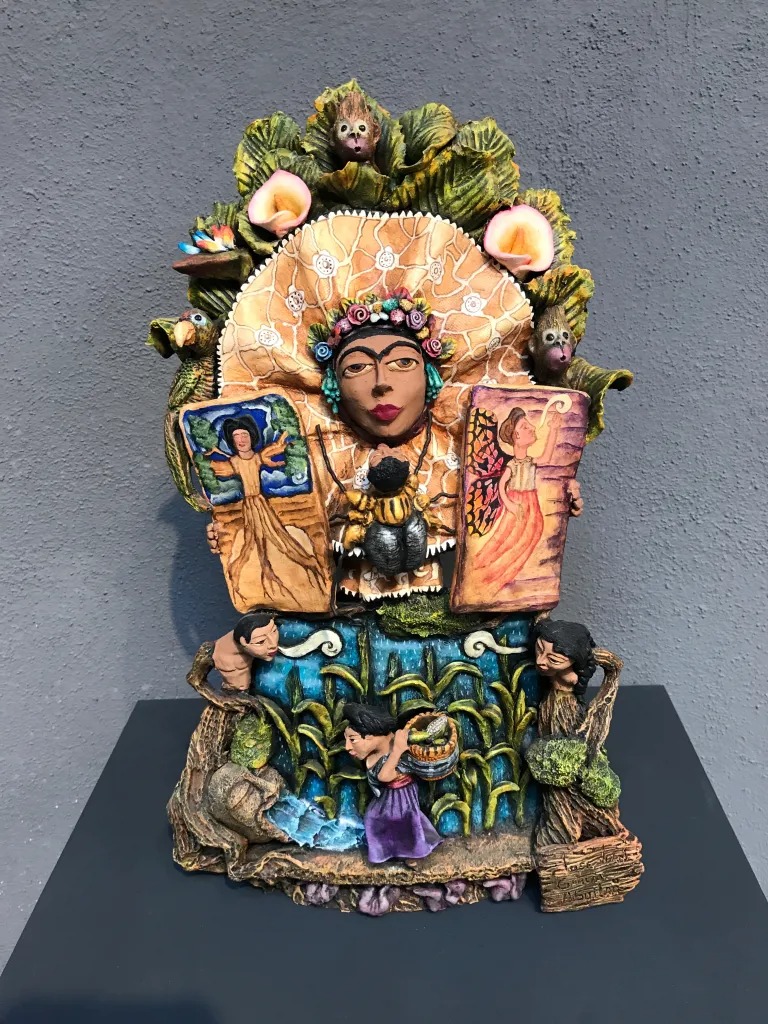
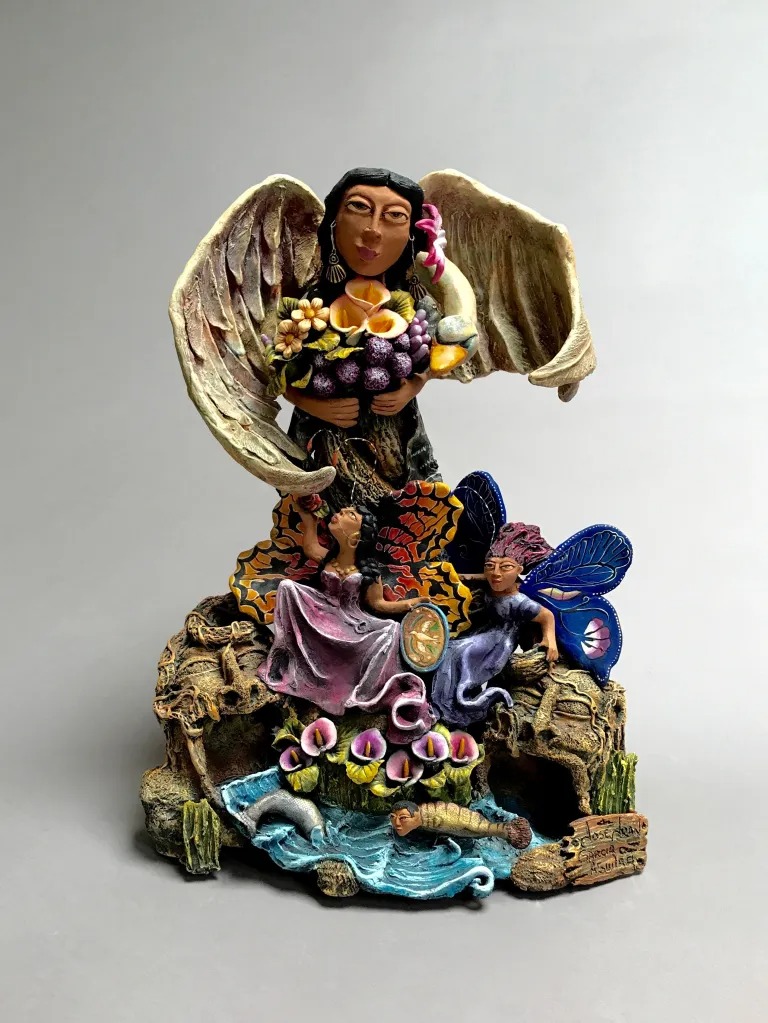
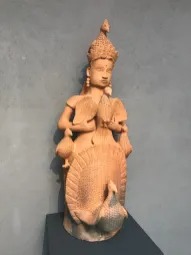
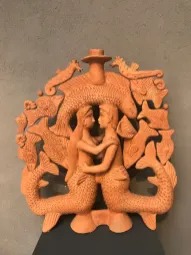
In the mountains of Guerrero, in a small village so remote that it does not appear on maps of Mexico or on GPS, a group of families carry on a tradition of ceramic art that is hundreds of years old and that has been passed from father to son and mother to daughter for many generations. The work is completely distinctive and utterly “Mexican!” The figures are burros, pigs, turkeys and other birds, men on horseback carrying water jugs, churches with gatherings of villagers in the plaza, and the village’s trademark tall, thin figures with faces that resemble the villagers themselves.
The tall, thin clay figures the potters of Oapan, Guererro, have been creating for many generations are called “reinas,” queens. All the pieces are painted with village scenes like weddings, fields being plowed and planted, chickens and pigs being fed — the everyday life of these villagers. The potters mine clay from abundant local sources and decorate the pieces with red iron oxide, which they also source and prepare locally. Nowhere else on the planet are people making work that is anything like the large ollas, animals, tall figures, and village scenes created by these families.

What Our visitors say
Ángel Ortiz Father and Son
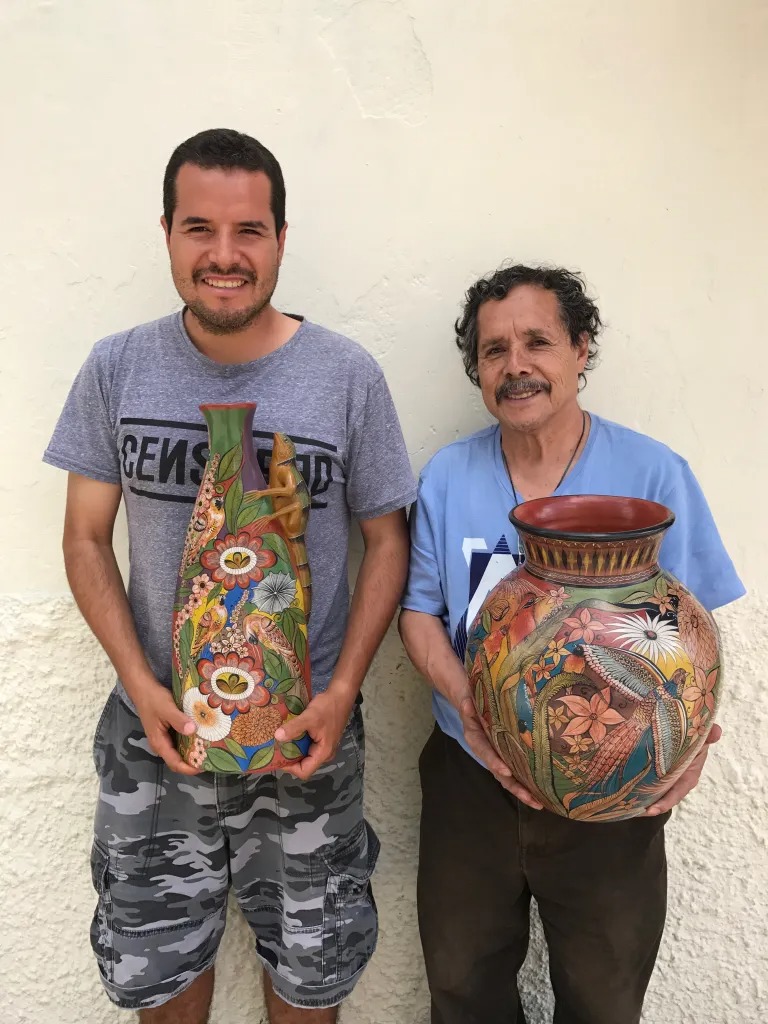
Ángel and his father, who has been making ceramics for more than 50 years, work in the traditional pottery town of Tonalá, Jalisco. They have revived traditions from the thirties that had actually disappeared from their village. They are among very few Mexican artists who have been selected to sell their work at the International Folk Art Market in Santa Fe, New Mexico.
A Life-Changing Experience
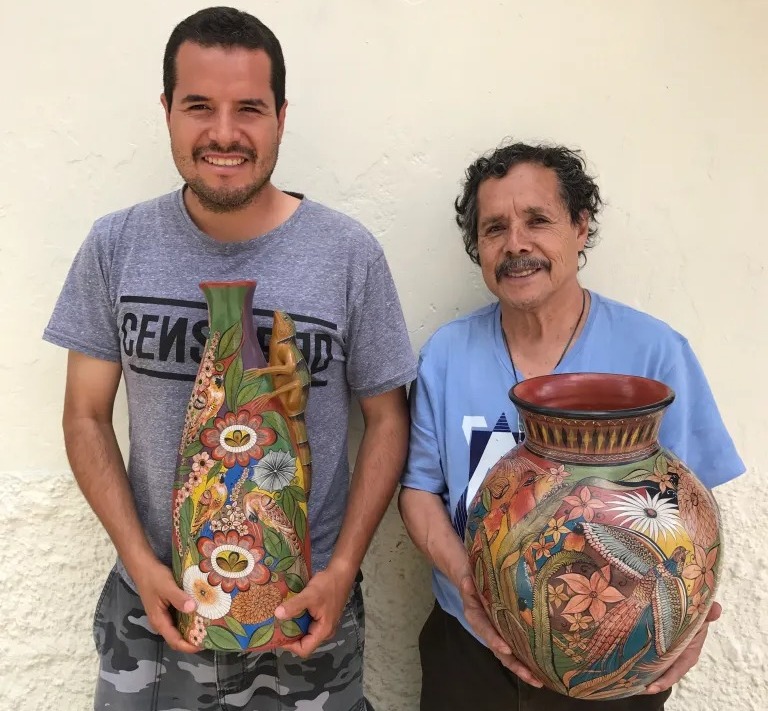
Galería Atotonilco owner, Mayer Shacter, himself a studio potter for twenty-seven years, met the Ángel Ortiz family ten years ago and was awed by the quality, imagination, and sheer beauty of their work. He began representing them and developed a very close friendship with the family. In 2012, he helped them apply to the International Folk-Art Market in Santa Fe, a highly competitive, world-famous market, and was thrilled when they were accepted. With their letter from the Market, the Ángels’ were easily able to obtain ten-year visas. Mayer offered to accompany them to Santa Fe, and in July, they all set out for the Ángel’s first airplane ride ever, and their first time in the States.
Their pottery created a sensation at the Market. The Ángels could barely contain their excitement as they wrote up sale after sale, and watched and listened to one amazed, grateful customer after another. At the end of two and a half days, they had made as much income as they had ever earned in two and a half years!
The experience was life changing for this family. Over the next few months, they put a proper kitchen and bathroom in their home, which they had never before had. Ángel senior got a knee replacement, which he badly needed, and now walks all over like a trooper, pain free.
Description of the Work
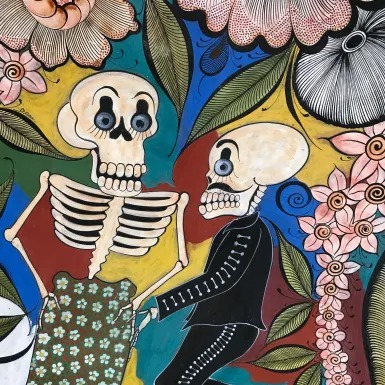
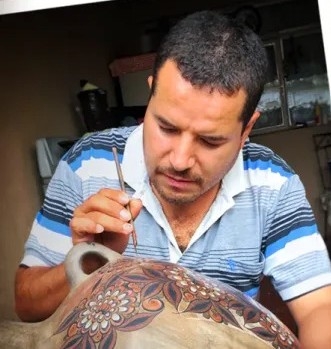
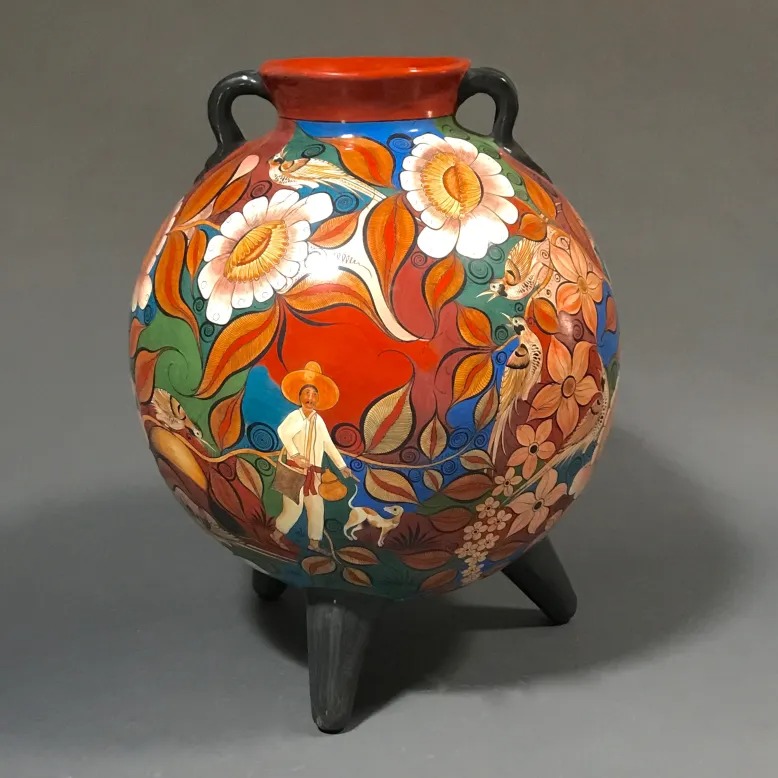
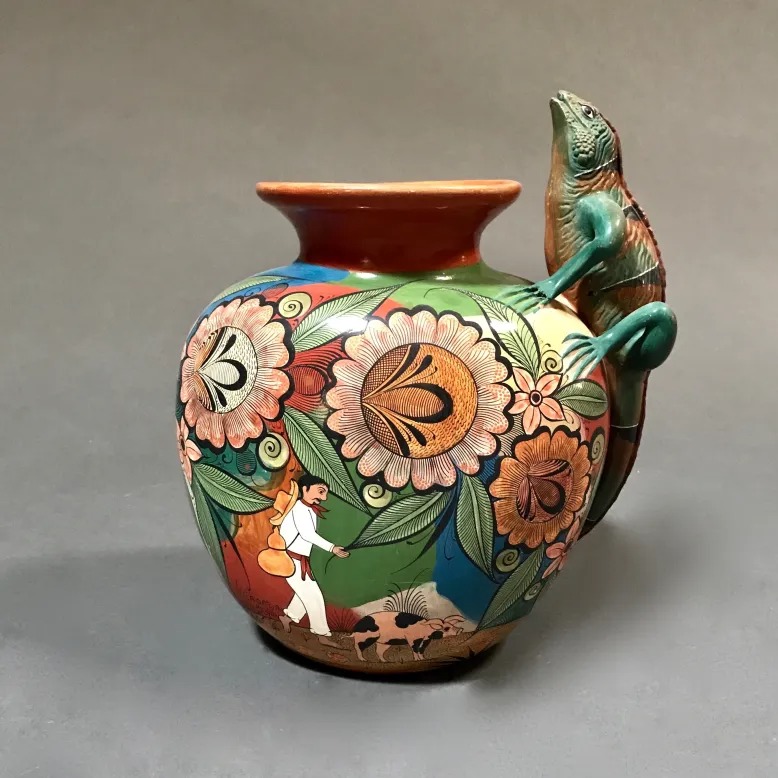
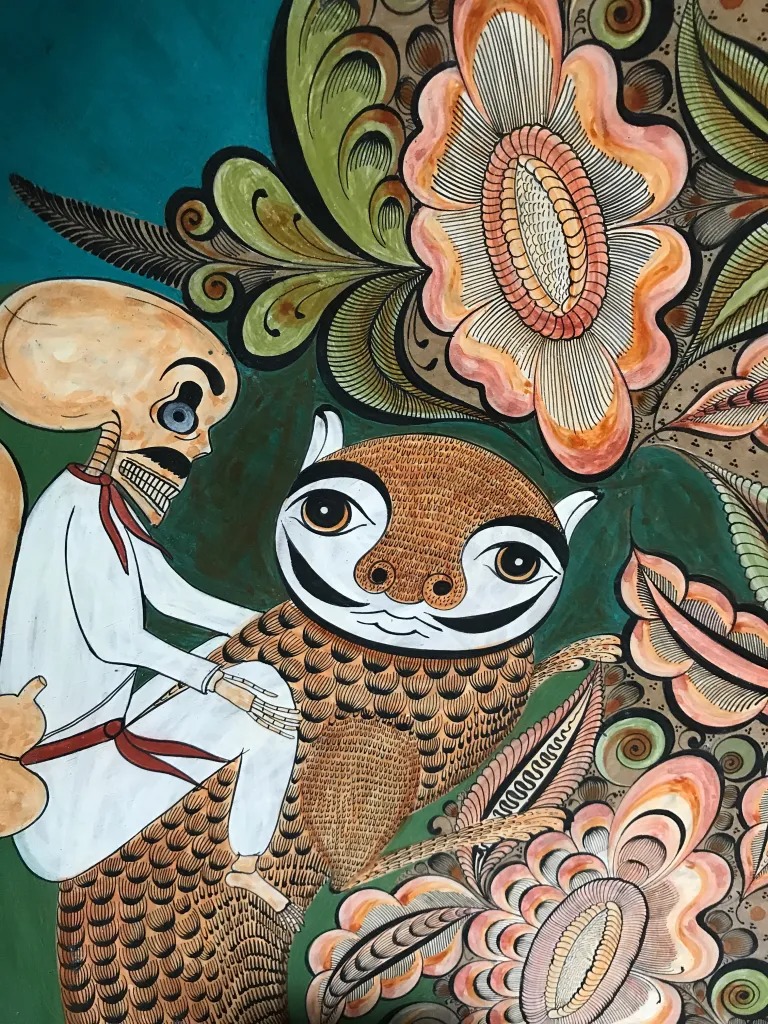
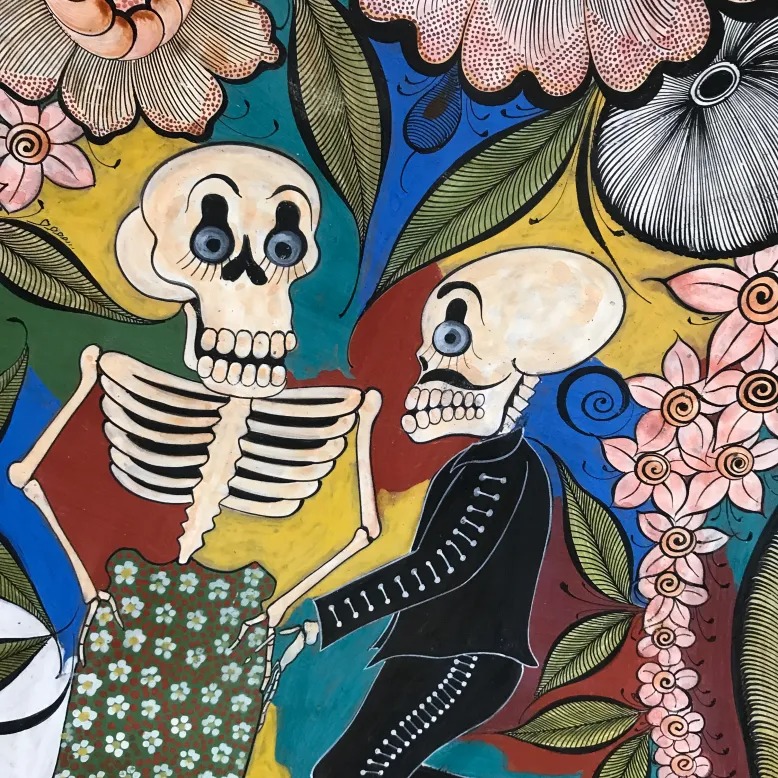
Ángel Ortiz and his son make burnished ceramics in a variety of forms including vases; plates; chargers; squat vase forms with three feet; distinctive heart-shaped vases; nahuals (mythological creatures); round jars with three feet; anthropomorphic whistles; and traditional masks.
The distinctive and extraordinary feature of their work is the gorgeous and highly skilled slip decorations on the pieces. Their brushwork is as refined as the finest Japanese brushwork. They paint with slip (liquid clay) complex designs including such themes as country life; mythology; flora and fauna, old Tonalá stories; and national pride.
Method of Work
They hand build each piece using press molds along with other hand-building techniques. When the item is completed, they rub the surface with a smooth river rock and water to prepare it for colored mineral slip decoration. Next, they decorate the piece with colored mineral slips using fine, hand-made brushes. They then burnish it a second time with a smooth iron pyrite stone.
They place a number of pieces in a gas, ceramic-fiber-lined updraft kiln. The pieces are fired up to a temperature of 1,115 degrees Fahrenheit.
The father and son work on separate pieces. They do not work on each other’s pieces.